
A Slow Travel Guide to West Cornwall – Making Hayle Your Base
Slow travel isn’t about ticking off “must-sees”. It’s about staying long enough to notice the tide times, the changing light on the water, the rhythm of village life, and the small places that make a trip feel personal. Based in Hayle, you’re perfectly placed for a gentler kind of West Cornwall getaway: beaches and birdlife on your doorstep, St Ives and Penzance within easy reach, and a whole peninsula of coastal paths, gardens, and sea-swims waiting at their own pace.
West Cornwall rewards those who leave space in the itinerary. Distances are short, but the place is rich — moody moorland, salt marshes, subtropical gardens, fishing harbours, and dramatic Atlantic coastline. Slow travel here often means building days around one main plan (a walk, a beach, a garden, a gallery), with plenty of time left for cafés, bookshops, pottering, and viewpoints. Most of all, it means letting the weather and the tides lead — because in Cornwall, that’s the real schedule.
Start Local: Slow Days In and Around Hayle
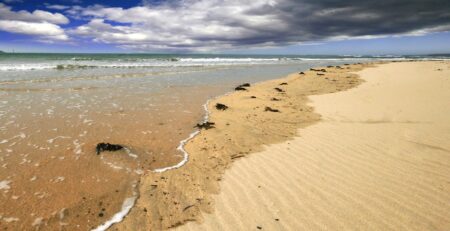
Beach time that isn’t rushed. Hayle Towans is made for long, wandering beach days: miles of sand, rolling dunes, and that wide-open Atlantic feel. Rather than chasing multiple beaches, choose one stretch and settle into it — walk north along the shoreline with a coffee, pause to watch surfers and kite flyers, then end with an unhurried picnic tucked into the dunes.
The Hayle Estuary: a quieter kind of beauty. For a slower afternoon, follow the paths around the Hayle Estuary, one of the South West’s best birdwatching spots, and a place that changes character with every tide. It’s calm, spacious, and quietly fascinating — especially if you bring binoculars and take the time to watch the birdlife and shifting waterline.
A proper “holiday rhythm” evening. One of the joys of staying in a chalet is being able to keep evenings simple. A gentle potter, a takeaway enjoyed slowly, a sunset stroll, then back to warm lighting and an early night with the windows cracked for sea air — those quiet evenings often become the part you miss most.
A 3–5 Day Slow Travel Itinerary for West Cornwall
Day 1: Arrive, unpack, and let Cornwall set the pace. Arrive without rushing straight into plans. Unpack properly, put the kettle on, and step outside for a breath of sea air before heading to the beach for a first-look walk with no agenda. Keep dinner easy — something local and comforting — then turn in early so you wake up already feeling like you’ve slowed down.
Day 2: Coastal walking and a long lunch — the slow travel classic. Choose a section of the South West Coast Path and approach it with “time outside” as the goal, not distance. Start late morning, stop often for photos and viewpoints, and give yourself permission to linger. Finish with a long lunch somewhere you can take your time, then round the day off with something low-effort and lovely — an hour in a gallery, a browse in independent shops, or a slow stroll somewhere scenic.
Day 3: Gardens and softness — perfect for breezier days. West Cornwall’s gardens are one of its great slow-travel pleasures, where the Gulf Stream lends the landscape a surprisingly lush feel. Trengwainton Garden near Penzance is a lovely example — go mid-morning, take the long route through, sit on the benches, read the little plaques, and let it be a day that’s more about atmosphere than achievement. A proper tea-and-cake stop afterwards is essential.
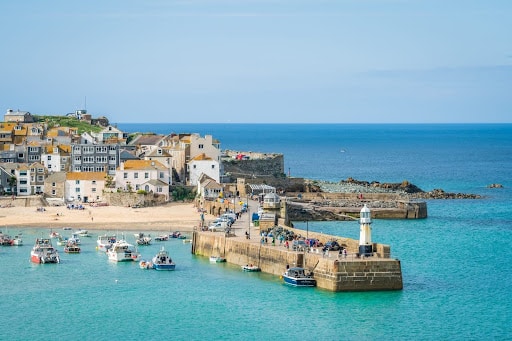
Day 4: St Ives — without the rush. St Ives can be busy, but it still suits slow travel beautifully if you simplify the day. Arrive earlier or later to dodge the peak, pick just one main focus — Tate St Ives, one beach, or one coastal walk — and let the rest unfold gently. The real magic is in the details: the light on the water, the lanes, and how the harbour view changes as the tide turns.
Day 5: A “nothing day” — the most underrated day of all. Plan one day to be deliberately light. Make a lazy breakfast, take a short local walk, swim if the sea calls, then read, nap, and drift through the afternoon without needing to “use” the time. If it feels unproductive, you’re doing it exactly right.
Slow Travel Essentials: How to Make It Feel Truly Restorative
Even if you’re not a sea swimmer, tide times shape the whole coast — harbour views, beach width, rockpooling, and some coastal routes — so pick one day to plan around the tide using an official tide times source and notice how different the experience becomes. When it comes to food, slow travel works best when you stop chasing the “best place” and instead find a few favourites you return to: the bakery you visit twice, the café that starts to recognise you, the farm shop that becomes part of your route home.
Give yourself breathing room between places, too. West Cornwall looks small on a map, but the roads are winding, the viewpoints are distracting, and you’ll want to stop — so build in detour time and allow the day to change. And pack for micro-seasons: sunshine, sea mist and wind can all turn up in one afternoon, so layers and a light waterproof make it much easier to stay comfortable (and therefore slow).
A Few Favourite “Slow Moments” to Seek Out
If you want a checklist, make it this kind. Look for a sunset walk on the sands with no destination, and a tea-and-cake stop after a blustery coastal stroll. Sit somewhere with a harbour view long enough to watch the tide change. Give yourself at least one morning where you don’t leave the chalet until you genuinely feel like it. And if you find a little cove or viewpoint you love, stay longer than planned — those are the moments that turn into memories.
FAQs: Slow Travel in West Cornwall
How many days do you need for a slow travel trip to West Cornwall?
Three days is enough for a taste of it, but five gives you room for a proper “nothing day” as well as St Ives, a coastal walk, and a garden visit without feeling rushed.
Is Hayle a good base for exploring West Cornwall?
Yes — it sits close to Hayle Towans and the Hayle Estuary, with St Ives and Penzance both a short drive away, making it easy to build slow, low-mileage days.
What’s the best way to visit St Ives without the crowds?
Go earlier or later in the day, pick one main focus (a gallery, a beach, or a walk) rather than trying to see everything, and let the rest of the visit unfold at its own pace.
Do I need to plan around the tides in Cornwall?
It’s worth it — tides affect beach width, harbour views, and rockpooling, so checking official tide times before a beach or estuary day makes for a much smoother visit.
Make Hayle Your Base — And Take West Cornwall Gently
Staying in Hayle gives you the best of both worlds: close to the headline spots, but with space to breathe, walk, and unwind at your own pace. However long you’re staying, the trick is the same — leave gaps in the plan and let the coast set the rhythm. Book your stay and start slowing down from the moment you arrive.







Leave a Reply