

Digital Detox – How Our Chalets Help You Reconnect with Nature

If your days are filled with notifications, tabs, and constant scrolling, you are not alone. Cornwall is the kind of place that makes it easy to step away from the noise and come back to what matters. Our holiday chalets are designed for exactly that: a calm base where you can slow down, breathe deeply, and reconnect with nature.

Why A Digital Detox Works Better By The Sea

A real break is not just changing scenery. It is changing pace. The coastline naturally resets your routine, with sunrise walks and salty air making early mornings feel effortless. Outdoor time starts to replace screen time, and when your next activity is right on the doorstep, you stop reaching for your phone out of habit. Simple pleasures feel bigger too, like a warm drink on the decking, a good book, and the sound of birds.

How Our Chalets Help You Switch Off

We created our chalets to feel cosy, uncluttered, and quietly restorative. Peaceful surroundings mean you can hear the wind in the trees and the waves in the distance. Comfort-first interiors make space for slow mornings, afternoon naps, and early nights. There is room to be outside for fresh-air breakfasts, stargazing, and evenings wrapped in a blanket, and the natural rhythm nudges you into reading, chatting, cooking, and being present.

Nature-Led Days In Cornwall (No Itinerary Required)

If you want inspiration, here are gentle, screen-free ways to fill your days.

  1. Coastal path walks

    Pick a section of the South West Coast Path and walk at your own pace. Stop when you see a quiet cove, and stay as long as you like.
  2. Beach time that actually feels restful

    Bring a flask, a towel, and a book. Let the tide set the schedule, not your calendar.
  3. Wildlife spotting

    Look out for seabirds along the cliffs, seals in calmer bays, and the occasional dolphin on a clear day.
  4. Slow food moments

    Cornwall is made for simple eating: local pastries, fresh seafood, and farm shop finds. Build a picnic and eat it with a view.
  5. Stargazing nights

    When the sky is clear, step outside after dark and take a few minutes to let your eyes adjust. Even a short look-up can be grounding.

A Simple Detox Plan You Can Actually Enjoy

You do not need to go off-grid to feel the benefits. On day one, put your phone on Do Not Disturb, take a coastline walk, and have an early night. On day two, leave your phone in the chalet for the morning, then try a beach picnic and find a good sunset viewpoint. On day three, choose one “no screen” block of time each day and replace it with something tactile, like cooking, journaling, sketching, or reading.

Take The Feeling Home

The best part of a digital detox is how it changes what you notice. Many guests leave saying they slept more deeply, laughed more, and felt properly rested.

If you are craving a break that feels genuinely refreshing, our Cornwall chalets offer the space, comfort, and natural beauty to help you reconnect.

Written for TwiceAsNice Chalets
Read more...

Cornish Language Revival – Learn These 10 Phrases Before Your Visit

If you are heading down to our Cornish holiday chalets for a break of sea air, cream teas, and cliff walks, there is one extra way to make your trip feel even more rooted in place: learning a little Cornish.

Below are 10 friendly phrases to try during your stay, plus a quick pronunciation nudge so you can say them with confidence.

The Origin Of The Cornish Language (Kernewek)

Cornish is one of the Celtic languages of Britain, from the same wider language family as Welsh, Breton, Irish Gaelic, and Scottish Gaelic. It developed in Cornwall over many centuries from the ancient Brittonic languages once spoken across much of southern Britain. As Cornwall’s distinct culture formed through trade, migration, and close ties with Brittany across the Channel, Cornish grew into its own language, with a rich tradition of storytelling, poetry, and religious plays.

By the 18th and 19th centuries, Cornish had largely stopped being used as a community language, but it never truly disappeared. Modern revival efforts have drawn on historic written sources and recordings, helping bring Kernewek back into everyday life.

A Quick Note On Pronunciation

Cornish spellings can look unfamiliar, but do not let that put you off.

Try saying things slowly at first, and do not be afraid to ask locals how they pronounce a place name or phrase (most people will appreciate the effort). If you are unsure, a smile and a polite greeting go a long way.

10 Cornish Phrases To Learn Before You Arrive

  1. Dydh da

    Good day / Hello

    A great all-round greeting for shops, cafés, and coastal walks.
  2. Nos da

    Good night

    Perfect when you head back to your chalet after dinner.
  3. Kernow bys vyken

    Cornwall forever

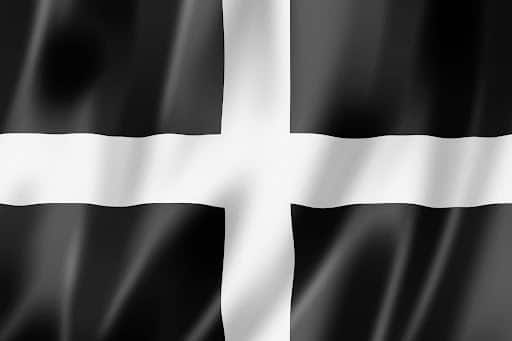
    You will see this one on stickers, T-shirts, and flags. It is a proud local phrase.
  4. Meur ras

    Thank you

    This is one of the most useful phrases to know, whether you have just been served a pasty or given directions.
  5. Mar pleg

    Please

    A polite add-on for ordering food, asking questions, and making requests.
  6. Gav genes?

    Can I have?

    Handy in cafés and pubs. For example: “Gav genes a paned?” for “Can I have a drink?”
  7. Piw os ta?

    Who are you?

    Useful if you are meeting someone new at a local event or tour.
  8. Fatla genes?

    How are you?

    A friendly question to follow “Dydh da”.
  9. Da lowr

    All right / OK / Fine

    A simple, positive reply when someone asks how you are.
  10. Yma ow mos

    I am going

    A practical phrase for everyday use, especially when you are heading out: “Yma ow mos dhe’n traeth” for “I am going to the beach.”

Where You Might See And Hear Cornish

You might spot Cornish on road signs and place names (often alongside English), hear greetings and traditional songs at local markets and festivals, and notice Cornish language touches in exhibits at museums and heritage sites.

Try A Mini-Challenge During Your Stay

Pick three phrases to use during your first 24 hours in Cornwall.

Say Dydh da on your morning walk, use Meur ras when you buy something local, and end the day with Nos da back at the chalet.

Welcome to Cornwall

Whether you use one phrase or all ten, speaking a little Cornish is a lovely way to connect with Cornwall’s living culture. If you would like recommendations for local heritage spots, food markets, or family-friendly activities near our chalets, just let us know.

Written for TwiceAsNice Chalets

Read more...