Affordable Activities For Families To Enjoy In Cornwall This Summer

Cornwall is made for family days out: big skies, sandy beaches, short walks with huge views, and plenty of places where kids can burn off energy without it costing a fortune. If you’re staying with us at Twice As Nice Chalets, here are some of our favourite budget-friendly ways to fill your summer holiday with memories.

Top tip: Pack a picnic, refillable water bottles, and a light waterproof. You’ll save money, and you’ll be ready for Cornwall’s “four seasons in one day” weather.

1. Beach Days (The Ultimate Free Activity)

Cornwall has a beach for every kind of family, from rock pools to calm coves and big, wide sandy stretches.

Try rock pooling at low tide (a small bucket and a magnifying glass are perfect) and see what you can spot — crabs, tiny fish, and sea anemones are always a hit. Then turn it into a friendly competition with sandcastle challenges (tallest tower, best sea creature, or “most dramatic moat”), and finish with classic beach games like rounders, frisbee, or a simple treasure hunt in the sand.

Money-saving add-on: Skip the café and bring ice pops in a cool bag for a classic holiday treat.

2. Coastal Walks That Feel Like An Adventure (Free)

You don’t need a full day hike for a great family walk. Choose a short section of the coast path, take plenty of snack stops, and make it a mini expedition.

To keep kids engaged, turn the walk into a game — “spot the lighthouse,” “find a heart-shaped rock,” or “how many seabirds can we count?” all work brilliantly. It also helps to pick a clear destination (a viewpoint or cove) and make a picnic the reward at the end.

3. Woodland Wanders And Nature Trails (Usually Free)

When the sun disappears, woodlands are a brilliant back-up plan.

Look for easy circular trails that suit little legs, and bring a simple “nature bingo” list to tick off as you go (pinecone, feather, fern, butterfly, stream, and so on). It’s a low-effort way to turn a short walk into a full adventure.

4. Explore Cornwall’s Best Playgrounds (Free)

A great playground can be the highlight of a child’s holiday.

Plan a morning around a playground visit, then stretch it into a full outing with a short walk and a picnic. Keeping a small “play kit” in the car — a football, bubbles, chalk, and a skipping rope — also means you can create fun anywhere you stop.

5. Free Museums And Low-Cost Local Attractions (Budget-Friendly)

Cornwall has plenty of indoor options for a windier day.

For a windier day, try local museums, heritage centres, and galleries that offer free entry or family-friendly pricing. It’s also worth checking what’s on in nearby towns, as many host seasonal events during the summer holidays — local noticeboards and tourist info centres are great for finding the best low-cost options.

6. Farmers’ Markets And Food Stalls (Low-Cost + Fun)

You don’t have to book a fancy meal to enjoy Cornwall’s food scene.

A farmers’ market is a fun, low-cost way to sample local produce and stock up on picnic supplies at the same time. To keep it budget-friendly (and still exciting), let the kids choose one treat each — a pastry, a local juice, or something new to try.

Planning Your Summer Stay

Cornwall is packed with family-friendly experiences that don’t need a big budget, just a bit of curiosity and a good snack supply. If you’re planning a summer getaway, our chalets make a comfortable base for beach days, coastal adventures, and easy trips to local towns.

Ready to book? Browse availability and choose your favourite chalet for a relaxed Cornwall break.

Written for TwiceAsNice Chalets

Read more...

Summer Festivals In Cornwall 2026

Cornwall in summer is all salt air, long golden evenings, and a calendar packed with festivals that celebrate the very best of the county. If you’re staying with us at Twice As Nice Chalets, you’re perfectly placed for everything from sea-shanty singalongs to open-air theatre, food feasts, and family-friendly beach events.

Below is our guide to some of the summer highlights for 2026, plus a few local tips to help you make a day of it.

1) Falmouth International Sea Shanty Festival (June)

Few things feel more Cornish than a harbour-side chorus of sea shanties. In Falmouth, pubs, streets, and stages fill with groups from across the UK and beyond, with plenty of family-friendly daytime performances.

The best way to experience it is to treat the whole town as the venue. Follow the sound from the waterside into the old streets, dip in and out of sets, and you’ll find everything from rousing chorus shanties to slower, story-led songs that feel like they belong to the harbour itself. Between performances, Falmouth is made for wandering: browse the independent shops, stroll along the seafront, and time your visit for a proper Cornish supper — fish and chips by the water is the classic choice. If you can, arrive earlier in the day to get parked and settled before the busiest sessions begin, then end your evening watching the light fade over the marina.

2) Golowan Festival, Penzance (late June)

Golowan is Penzance at its most vibrant. Expect a mix of processions, music, street theatre, and a big community feel. It’s colourful, lively, and full of Cornish tradition.

What makes Golowan special is how rooted it feels in the town. Events spill across Penzance, so you can build your day around what you enjoy most: catch a parade or performance, then slow down with a coffee and watch the world go by as the streets fill with music and costumes. It’s also a great one for food lovers, with plenty of local bites and pop-up treats to try as you go. If you’re staying for more than one day, you’ll often find the atmosphere changes from daytime family-friendly celebrations to livelier evening entertainment, which makes it easy to tailor the festival to your pace.

3) Boardmasters, Newquay (August)

If you want big-name music and serious surf energy, Boardmasters is the headline summer event. Newquay’s beaches and coastal paths make it a fantastic location even if you’re only popping in for part of the weekend.

Boardmasters is all about that Cornwall combination of coastline and culture: spend the day on the sand, then head into the evening for headline sets and the full festival buzz. Even if you’re not surfing, the beachside atmosphere is a huge part of the experience — think salty hair, laid-back food stalls, and a crowd that’s there for summer. Newquay can get exceptionally busy during peak festival days, so it’s worth planning your transport early (and building in extra time) whether you’re driving, using shuttles, or booking taxis.

4) Open-air theatre at Minack Theatre (throughout summer)

Perched on the cliffs above the Atlantic, the Minack is one of Cornwall’s most unforgettable experiences. Summer brings a packed schedule of plays, concerts, and special performances.

This is less “festival field” and more “jaw-dropping evening out” — the kind of place you’ll talk about long after you’ve gone home. The theatre is carved into the cliff, so you’re watching performers with the Atlantic as the backdrop, and the changing light is part of the show. Go a little early and make an occasion of it: bring a picnic to enjoy before your seats, take your time with photos, and soak up the sea air. Even on a warm day, the breeze can roll in once the sun drops, so an extra layer will keep you comfortable through the final scenes.

5) Taste of the Sea: Cornwall’s summer food events (all summer)

Cornwall’s coastal towns often run summer seafood celebrations, tastings, markets, and pop-up events that spotlight local producers.

If you’re planning a foodie-focused break, keep an eye out for harbour markets and produce stalls where you can pick up picnic essentials and local treats to take back to the chalet. Many restaurants and pubs also run seasonal specials and tasting nights in summer, often built around what’s landed that morning, so it’s a great time to try Cornish crab, mussels, and line-caught fish. You’ll also find plenty of relaxed evenings where live music is paired with local beer and cider — perfect for a low-key “festival” night without committing to a big-ticket event.

6) Regattas and harbour festivals (summer weekends)

Cornwall’s maritime towns host regattas, sailing weekends, and harbour festivals through the summer. Even smaller events can be brilliant, with live music, craft stalls, and plenty of coastal charm.

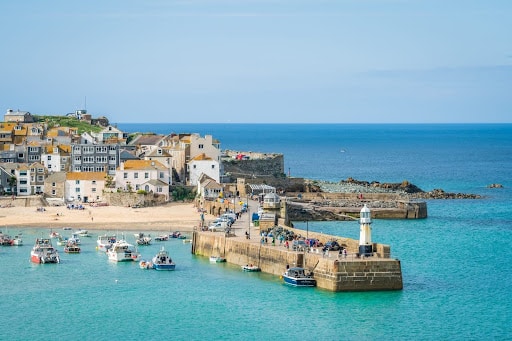
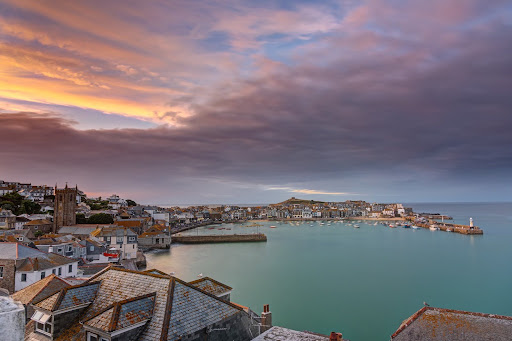
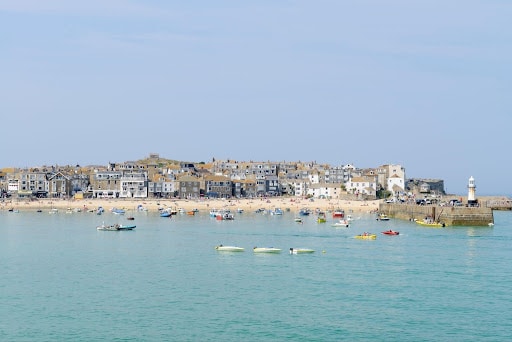
These weekends are a lovely way to see Cornwall’s seafaring side up close. You can watch boats glide in and out of the harbour, browse craft stalls, and usually find something musical happening nearby as the town gets into celebratory mode. The best part is how easy they are to combine with classic Cornwall sightseeing: a coastal walk, an ice cream stop, and a leisurely lunch with a view. St Ives, Padstow, Looe, and Fowey are all brilliant bases for harbour-day wandering — each with its own character, from art-town charm to foodie favourites.

Planning your festival break from Twice As Nice Chalets

Whether you’re here for a romantic week by the coast or a family summer holiday, festivals are a lovely way to experience Cornwall beyond the beaches.

The key is balancing the buzz with the slow moments Cornwall does so well. Pick one bigger event as your “centre-piece” day, then leave space for calmer exploring in between — hidden coves, coastal paths, and unplanned detours often become the highlights. On festival days, start earlier than you think you need to, park once, and explore on foot where possible; it’s usually the easiest way to keep things stress-free. And whatever you do, bring layers: sunshine, sea breeze, and the occasional quick shower can all happen in the same afternoon.

If you’d like help picking the best events near your chalet dates, tell us where you’re staying and what you love most: music, food, culture, or family days out — and we’ll point you in the right direction.

Written for TwiceAsNice Chalets

Read more...

Getting Around Cornwall Without a Car – Public Transport Tips

Cornwall is one of the best places in the UK for a slow, scenic holiday. While many visitors arrive by car, it is absolutely possible to enjoy a Cornish break without one. In fact, if you are staying in a chalet and want to travel more lightly, using public transport can make the trip feel even more relaxed.

Here are our top tips for getting around Cornwall without a car.

1. Plan Your Journeys In Advance

Cornwall is beautifully spread out, so a little planning goes a long way. Check bus and train times before you set off, especially if you are travelling to smaller villages or heading out in the evening. Services can be less frequent than in larger cities, so it helps to build your day around the timetable rather than the other way around.

2. Use Trains For The Bigger Hops

If you are travelling between major towns, trains are often the easiest option. Cornwall has rail links to places such as Penzance, Truro, St Ives, Falmouth, Newquay and Looe. The scenic journeys are part of the experience, with beautiful views along the coast and across the countryside.

3. Combine Buses And Trains

For many trips, the best approach is to mix both. A train can get you close to your destination, then a local bus can take you the rest of the way. This works well for days out to beaches, gardens and market towns, and it gives you more flexibility than relying on one route alone.

4. Stay Close To A Good Transport Link

If you are booking a holiday and want to travel without a car, location matters. Staying near a station or on a reliable bus route makes everything easier. From our chalets, guests can enjoy a peaceful base while still reaching some of Cornwall’s best-loved spots with a bit of planning.

5. Check For Seasonal Services

Some routes run more often in spring and summer, especially those serving beaches and popular visitor attractions. These can be ideal for day trips, but do remember that timetables may change outside the main holiday season.

6. Keep A Backup Option In Mind

It is worth saving the local taxi numbers or checking whether a ride-share option is available for the area you are visiting. This can be especially helpful if you miss a connection or want an easier journey back after a long day out.

7. Enjoy The Slower Pace

Travelling without a car gives you a different view of Cornwall. You notice more of the landscape, spend less time parking, and often discover places you might have rushed past otherwise. It is a lovely way to enjoy a more relaxed and sustainable holiday.

Our Favourite Car-Free Day Ideas

  • Explore a seaside town by train
  • Spend the day at a beach reachable by bus
  • Visit a harbour for fish and chips, then wander back through the streets
  • Take a scenic rail journey and enjoy the view from the window

Whether you are planning a weekend break or a longer stay, Cornwall can be wonderfully accessible without a car. With a little preparation, public transport can become part of the adventure.

Read more...

Spring in Cornwall – Wildflower Walks Near Our Chalets

Spring in Cornwall is one of the most beautiful times of year to visit. As the days grow longer and the hedgerows begin to burst into colour, the lanes, cliffs, and coastal paths around Hayle come alive with wildflowers, birdsong, and fresh sea air. If you are staying with us at Twice As Nice Chalets, you will find some wonderful places to explore just a short walk or drive away.

Why Spring Is The Perfect Time For A Walk

Cornwall in spring offers a softer pace than the busier summer months. The beaches are quieter, the footpaths are full of new growth, and the countryside feels bright and fresh after winter. It is the ideal season for a peaceful stroll, a family wander, or a dog-friendly adventure with a few photo stops along the way.

Wildflower Spots Near Hayle

1. Hayle Towans And The Sand Dunes

Right on our doorstep, the dunes around Hayle are a brilliant place to spot spring flowers. Keep an eye out for thrift, early orchids, and other coastal plants that thrive in the sandy landscape. The views across St Ives Bay are beautiful too.

2. The Walk To St Ives Bay

From Gwithian Sands, you can follow footpaths through grassy dunes and along the coast where spring growth adds splashes of colour to the trail. It is a lovely walk for anyone wanting sea views, open skies, and a bit of wildlife watching along the way.

3. Godrevy And The Coastal Paths

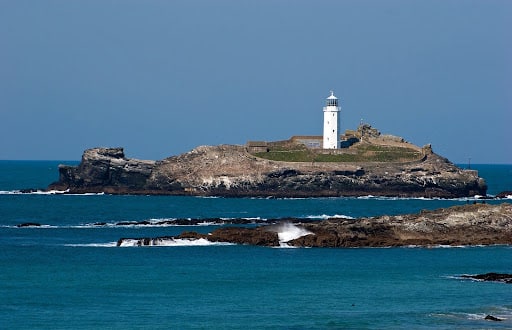
A little further along the coast, the paths around Godrevy are especially rewarding in spring. The route offers sweeping sea views, rugged cliffs, and plenty of natural beauty. On a clear day, you may even spot seals offshore.

4. Local Lanes And Countryside Trails

Some of the prettiest wildflower displays are found away from the main tourist spots. Quiet country lanes around West Cornwall often have banks lined with primroses, bluebells, foxgloves, and cow parsley in the spring months.

What To Look For

On your spring walks, look out for:

  • Bluebells
  • Primroses
  • Thrift
  • Wild violets
  • Gorse in bloom
  • Sea campion near the coast

You may also notice butterflies, bees, and seabirds beginning to appear more often as the weather warms up.

Make A Day Of It

Pack a picnic, bring a camera, and wear comfortable shoes. Many of the best spring walks in Cornwall end near a café, pub, or beach, so you can reward yourself with a cream tea, fresh seafood, or a warm drink after your walk.

Stay Close To It All

One of the best things about staying in our chalets is how easy it is to get out and explore. Whether you want a gentle stroll through the dunes or a longer coastal adventure, spring is the perfect time to enjoy Cornwall at its most colourful.

If you are planning a seasonal escape, spring wildflower walks are a wonderful way to experience the natural beauty of Cornwall from our doorstep.

Read more...

Digital Detox – How Our Chalets Help You Reconnect with Nature

If your days are filled with notifications, tabs, and constant scrolling, you are not alone. Cornwall is the kind of place that makes it easy to step away from the noise and come back to what matters. Our holiday chalets are designed for exactly that: a calm base where you can slow down, breathe deeply, and reconnect with nature.

Why A Digital Detox Works Better By The Sea

A real break is not just changing scenery. It is changing pace. The coastline naturally resets your routine, with sunrise walks and salty air making early mornings feel effortless. Outdoor time starts to replace screen time, and when your next activity is right on the doorstep, you stop reaching for your phone out of habit. Simple pleasures feel bigger too, like a warm drink on the decking, a good book, and the sound of birds.

How Our Chalets Help You Switch Off

We created our chalets to feel cosy, uncluttered, and quietly restorative. Peaceful surroundings mean you can hear the wind in the trees and the waves in the distance. Comfort-first interiors make space for slow mornings, afternoon naps, and early nights. There is room to be outside for fresh-air breakfasts, stargazing, and evenings wrapped in a blanket, and the natural rhythm nudges you into reading, chatting, cooking, and being present.

Nature-Led Days In Cornwall (No Itinerary Required)

If you want inspiration, here are gentle, screen-free ways to fill your days.

  1. Coastal path walks

    Pick a section of the South West Coast Path and walk at your own pace. Stop when you see a quiet cove, and stay as long as you like.
  2. Beach time that actually feels restful

    Bring a flask, a towel, and a book. Let the tide set the schedule, not your calendar.
  3. Wildlife spotting

    Look out for seabirds along the cliffs, seals in calmer bays, and the occasional dolphin on a clear day.
  4. Slow food moments

    Cornwall is made for simple eating: local pastries, fresh seafood, and farm shop finds. Build a picnic and eat it with a view.
  5. Stargazing nights

    When the sky is clear, step outside after dark and take a few minutes to let your eyes adjust. Even a short look-up can be grounding.

A Simple Detox Plan You Can Actually Enjoy

You do not need to go off-grid to feel the benefits. On day one, put your phone on Do Not Disturb, take a coastline walk, and have an early night. On day two, leave your phone in the chalet for the morning, then try a beach picnic and find a good sunset viewpoint. On day three, choose one “no screen” block of time each day and replace it with something tactile, like cooking, journaling, sketching, or reading.

Take The Feeling Home

The best part of a digital detox is how it changes what you notice. Many guests leave saying they slept more deeply, laughed more, and felt properly rested.

If you are craving a break that feels genuinely refreshing, our Cornwall chalets offer the space, comfort, and natural beauty to help you reconnect.

Written for TwiceAsNice Chalets

Read more...

Cornish Language Revival – Learn These 10 Phrases Before Your Visit

If you are heading down to our Cornish holiday chalets for a break of sea air, cream teas, and cliff walks, there is one extra way to make your trip feel even more rooted in place: learning a little Cornish.

Below are 10 friendly phrases to try during your stay, plus a quick pronunciation nudge so you can say them with confidence.

The Origin Of The Cornish Language (Kernewek)

Cornish is one of the Celtic languages of Britain, from the same wider language family as Welsh, Breton, Irish Gaelic, and Scottish Gaelic. It developed in Cornwall over many centuries from the ancient Brittonic languages once spoken across much of southern Britain. As Cornwall’s distinct culture formed through trade, migration, and close ties with Brittany across the Channel, Cornish grew into its own language, with a rich tradition of storytelling, poetry, and religious plays.

By the 18th and 19th centuries, Cornish had largely stopped being used as a community language, but it never truly disappeared. Modern revival efforts have drawn on historic written sources and recordings, helping bring Kernewek back into everyday life.

A Quick Note On Pronunciation

Cornish spellings can look unfamiliar, but do not let that put you off.

Try saying things slowly at first, and do not be afraid to ask locals how they pronounce a place name or phrase (most people will appreciate the effort). If you are unsure, a smile and a polite greeting go a long way.

10 Cornish Phrases To Learn Before You Arrive

  1. Dydh da

    Good day / Hello

    A great all-round greeting for shops, cafés, and coastal walks.
  2. Nos da

    Good night

    Perfect when you head back to your chalet after dinner.
  3. Kernow bys vyken

    Cornwall forever

    You will see this one on stickers, T-shirts, and flags. It is a proud local phrase.
  4. Meur ras

    Thank you

    This is one of the most useful phrases to know, whether you have just been served a pasty or given directions.
  5. Mar pleg

    Please

    A polite add-on for ordering food, asking questions, and making requests.
  6. Gav genes?

    Can I have?

    Handy in cafés and pubs. For example: “Gav genes a paned?” for “Can I have a drink?”
  7. Piw os ta?

    Who are you?

    Useful if you are meeting someone new at a local event or tour.
  8. Fatla genes?

    How are you?

    A friendly question to follow “Dydh da”.
  9. Da lowr

    All right / OK / Fine

    A simple, positive reply when someone asks how you are.
  10. Yma ow mos

    I am going

    A practical phrase for everyday use, especially when you are heading out: “Yma ow mos dhe’n traeth” for “I am going to the beach.”

Where You Might See And Hear Cornish

You might spot Cornish on road signs and place names (often alongside English), hear greetings and traditional songs at local markets and festivals, and notice Cornish language touches in exhibits at museums and heritage sites.

Try A Mini-Challenge During Your Stay

Pick three phrases to use during your first 24 hours in Cornwall.

Say Dydh da on your morning walk, use Meur ras when you buy something local, and end the day with Nos da back at the chalet.

Welcome to Cornwall

Whether you use one phrase or all ten, speaking a little Cornish is a lovely way to connect with Cornwall’s living culture. If you would like recommendations for local heritage spots, food markets, or family-friendly activities near our chalets, just let us know.

Written for TwiceAsNice Chalets

Read more...

A Tasting Tour of Cornwall’s Finest Craft Breweries and Distilleries

Cornwall does food and drink with the same attitude it brings to the coastline: bold, distinctive, and best enjoyed slowly. If you’re staying with us in our Cornwall holiday chalets, a brewery or distillery visit is an easy way to add something a bit different to your trip, especially on those “let’s do something fun, but not too full-on” days.

This tasting tour is designed as a relaxed guide rather than a strict itinerary. Pick one or two stops, build in time for a coastal walk or a long lunch, and leave the driving to a designated driver, taxis, or local transport where you can.

Start With The Classics: Cornish Breweries Worth The Detour

Cornwall’s craft beer scene is packed with personality. You’ll find everything from crisp, coastal lagers to hop-forward IPAs, plus plenty of seasonal specials that taste like they were made for post-walk pints.

Sharp’s Brewery (Rock) is the big name many visitors recognise, famous for its connection to North Cornwall and the sea. If you’re up that way, it’s easy to pair with a Padstow day out and a bracing beach walk. St Austell Brewery (St Austell) is another Cornwall institution, with a long brewing heritage and beers you’ll see across the county. It’s a great choice if you like the story behind what you’re drinking, not just the pint in your hand.

For something that feels more “tucked away and discovered”, keep an eye out for smaller taprooms and local producers near the coast and in Cornwall’s market towns. These are often the places where you’ll get the most memorable chats, the most unusual small-batch pours, and the best recommendations for what to do next.

Distilleries For Gin, Whisky, And Sea-Salt Spirits

Cornwall’s distilleries are brilliant for tastings because they tend to lean heavily into local character. Expect botanicals inspired by the hedgerows, coastal notes, and the kind of storytelling that makes a bottle feel like a souvenir rather than just something you pick up at the supermarket.

If gin is your thing, you’re in the right county. Many Cornish distillers offer guided tastings that walk you through how the spirit is made, how to taste properly, and what to pair it with. If you prefer whisky, keep an eye out for newer distilleries that are building their reputations fast, alongside more established names.

Build Your Day Around The Good Stuff: Walks, Views, And Pub Lunches

The best way to do a tasting tour in Cornwall is to treat it as part of a wider day out. Start with a walk (so you’ve earned that first sip), follow it with a tasting, and then finish with food.

A few easy pairings that always work:

  • A coastal path walk followed by a brewery taproom flight.
  • A harbour-town wander followed by a gin tasting and a seafood dinner.
  • A countryside drive with a farm shop stop, then a distillery tour, then a cosy pub lunch.

What To Order (And How To Taste Without Overdoing It)

If you are new to tastings, go for a flight rather than committing to one full pint or one full measure. Start lighter and work up to richer or stronger flavours. Ask what’s seasonal. Cornwall’s producers often do limited releases that you won’t see elsewhere.

If you want to bring something home, consider picking up one “crowd pleaser” bottle and one that’s a bit more unusual. It’s the easiest way to keep the holiday feeling going once you’re back.

Practical Tips For A Safe, Relaxed Tasting Tour

  • Plan transport first. Tastings are more fun when nobody is worrying about the drive back.
  • Eat beforehand. Even a quick snack makes a big difference.
  • Book ahead in peak weeks. Easter, summer, and bank holiday weekends can fill up.
  • Buy local mixers. A Cornish gin with a good tonic and a slice of citrus back at the chalet is hard to beat.

Make It Your Own

Whether you’re a serious beer fan, a gin enthusiast, or just curious, Cornwall’s breweries and distilleries are a brilliant way to explore the county through flavour. Keep it simple, choose a couple of stops that fit your route, and let the rest of the day unfold around good views and good food.

Written for TwiceAsNice

Read more...

Easter Holidays in Hayle, Cornwall 2026

If you’re spending the Easter holidays 2026 with us in Hayle (Good Friday 3 April to Easter Monday 6 April, with many schools taking a longer break), you’ve chosen a brilliant time to visit. Spring brings brighter evenings, quieter beaches than summer, and that fresh, salty “proper holiday” feeling the moment you arrive.

Hayle is one of those places that makes Cornwall feel instantly accessible. You’re close enough to the iconic West Cornwall hotspots for day trips, but you can also keep things wonderfully simple: a beach walk in the morning, a lazy lunch, and an early evening back at the chalet with sandy shoes by the door.

Start Local: Beaches, Dunes, And Easy Walks

The best part about staying in Hayle is how much you can do without overplanning. Start with Hayle Towans, where the beach is wide enough for long walks even on busy weekends. Easter is perfect for the classic Cornwall routine: check the tides, head out with a flask, and spend a couple of hours doing whatever the day feels like.

If you’re visiting with kids, rockpooling is a guaranteed win around low tide, and the dunes are ideal for letting everyone burn off energy without having to “go anywhere” at all. If you’re after a bigger stretch of legs, pick up the South West Coast Path nearby and head towards Gwithian for big, open views, or go the other direction towards Carbis Bay and St Ives for classic coves and coastal scenery.

For a calmer option (and a great choice if the wind is doing its thing), the Hayle Estuary offers a gentler walk and the chance to slow down and spot wildlife. It’s also a lovely way to fill a late afternoon before dinner, especially if you want something easy and close to home.

Classic West Cornwall Days Out (Short Drives From Hayle)

When you want a change of scene, Hayle puts you in easy reach of some of West Cornwall’s best days out.

St Ives is the obvious favourite and close enough to visit more than once. Come for harbour views, galleries, and that cheerful holiday energy you get from wandering somewhere on foot with no real plan. If you like the idea of mixing “town time” with nature, pair a St Ives visit with a coastal walk, or just take your time browsing and stopping for snacks.

If food is a main part of your holiday (as it should be), head west to Penzance and Newlyn for working-harbour atmosphere and seriously good seafood. From there, you can carry on to Mousehole for a postcard-pretty stroll and a slower pace.

For a day that feels properly iconic, go to Marazion and St Michael’s Mount. If you can, time it with the tides. That simple walk across the causeway (or the short boat ride) is one of those experiences that feels special every single time.

And if you’re craving dramatic scenery, make a bigger day of it and head out towards the far west for cliffside viewpoints and that “end of the land” feeling.

Family-Friendly And Rainy-Day Ideas

Easter is a brilliant time for families because Cornwall starts running more seasonal trails and activities across the school holidays. If you want something easy and close by, Paradise Park in Hayle is a fantastic half-day (or full-day) option and a great “let’s keep today simple” plan.

If Cornwall serves up a rainy day, you’ve got strong backup options. A few hours at Tate St Ives and nearby galleries is a great way to break up the week, and it suits both quick visits and longer, slower afternoons. If you don’t mind a longer drive, the Eden Project works brilliantly in cooler weather and is the kind of place you can happily spend the whole day without checking the forecast every five minutes.

What To Eat During Your Stay

Food-wise, keep it simple and delicious. Easter in Cornwall is made for a proper pasty after a beach walk, a cream tea (you will quickly discover there are strong opinions), and at least one meal built around local fish and seafood.

If you’re self-catering in the chalet, lean into it. Holiday food is at its best when it’s relaxed: bakery stops for something warm on the way back from the beach, an easy lunch you can build around whatever looks good that day, and cosy dinners after a windswept walk. Local farm shops and bakeries make it easy to turn an ordinary meal into something that still feels like a treat.

A Few Quick Tips For Easter Week

If you’re travelling over the bank holiday weekend, book any “must-do” attractions early. Pack layers and a light waterproof jacket, because the weather can change quickly on the coast. And check tide times if you want the best beach walks and rockpooling.

Most importantly: don’t try to do everything. The magic of an Easter break in Hayle is that you can mix a couple of big days out with plenty of slow, local time, and still feel like you’ve had a proper Cornwall holiday.

Written for TwiceAsNice Chalets

Read more...

Eco-Friendly Tourism – Sustainable Activities in Cornwall

Cornwall is not only renowned for its stunning coastlines and rich cultural heritage, but it's also becoming a leading destination for eco-conscious travellers. If you're planning a visit to our beautiful chalets and want to minimise your environmental footprint while maximising your Cornish experience, here are some sustainable activities to enjoy during your stay.

1. Explore Cornwall's Coastal Paths on Foot

The South West Coast Path offers over 630 miles of breathtaking scenery, and walking is one of the most sustainable ways to experience Cornwall's dramatic cliffs, hidden coves, and charming fishing villages. Pack a reusable water bottle, wear sturdy walking boots, and take only photographs as you traverse this spectacular route.

2. Support Local, Organic Food Producers

Cornwall boasts an abundance of farmers' markets, farm shops, and restaurants committed to sourcing local, organic produce. Visit the Truro Farmers' Market or stop by one of the many farm-to-table restaurants dotted across the county. By choosing local food, you're reducing food miles and supporting the regional economy.

3. Try Sea Swimming and Beach Clean-Ups

Wild swimming in Cornwall's crystal-clear waters is an invigorating, zero-emission activity. Combine your swim with a beach clean-up, many local organisations provide equipment and organise regular events. You'll be contributing to the preservation of Cornwall's pristine beaches while enjoying the therapeutic benefits of sea swimming.

4. Visit Eco-Friendly Attractions

Cornwall is home to several attractions committed to sustainability, including the Eden Project, which showcases global gardens and environmental education, and the National Trust properties that prioritise conservation. These venues demonstrate how tourism and environmental stewardship can work hand in hand.

5. Cycle Through Cornwall's Countryside

Cornwall offers numerous cycling routes suitable for all abilities, from the Camel Trail to the Clay Trails. Cycling is not only eco-friendly but also allows you to discover hidden gems at a leisurely pace. Many towns offer bike rental services, making it easy to explore sustainably.

6. Choose Water Sports with Minimal Impact

Paddleboarding, kayaking, and sailing are fantastic ways to experience Cornwall's coastal beauty without harming the environment. Numerous operators offer equipment hire and lessons, ensuring you can enjoy these activities safely and sustainably.

7. Shop at Zero-Waste Stores

Cornwall has embraced the zero-waste movement, with refill shops and eco-stores popping up across the county. Stock up on essentials without the packaging waste, and discover locally made, sustainable products to take home as souvenirs.

8. Participate in Wildlife Conservation

Join a wildlife watching tour or volunteer with local conservation projects. Cornwall's diverse ecosystems are home to seals, dolphins, rare birds, and unique plant species. Many organisations offer ethical wildlife experiences that educate visitors while protecting natural habitats.

Making Your Stay More Sustainable

While enjoying these activities, remember that small actions make a big difference:

  • Use public transport or car-share when possible
  • Bring reusable bags, bottles, and containers
  • Respect wildlife and natural habitats
  • Choose accommodation (like our chalets!) that prioritises sustainability
  • Leave no trace – take all litter home with you

Cornwall's natural beauty is its greatest asset, and by choosing sustainable activities, you're helping to preserve this special corner of England for future generations. We hope your stay in our chalets inspires you to explore Cornwall in an eco-friendly way, creating memories that don't cost the earth.

Ready to plan your sustainable Cornish getaway? Book your stay with us and discover how easy it is to travel responsibly while experiencing the best of Cornwall.

Read more...

The Ultimate Guide to Rock Pooling with Children in Cornwall

Cornwall's rugged coastline is home to some of the best rock pooling spots in the UK. With its dramatic cliffs, golden beaches, and crystal-clear waters, it's the perfect place to introduce children to the wonders of marine life. Rock pooling is not only an exciting adventure for young explorers but also an educational experience that teaches them about coastal ecosystems and the importance of conservation.

Why Rock Pooling is Perfect for Families

Rock pooling combines outdoor adventure, hands-on learning, and quality family time. Children can discover crabs, starfish, anemones, and small fish in their natural habitat. It's a low-cost activity that requires minimal equipment and can be enjoyed by all ages. Plus, it encourages curiosity about nature and helps develop observational skills.

Best Rock Pooling Spots in Cornwall

1. Widemouth Bay

Located near Bude, Widemouth Bay offers extensive rock pools at low tide. The sandy beach makes it easy for children to access the pools safely, and you'll find plenty of crabs, shrimps, and periwinkles.

2. Hannafore Beach, Looe

This sheltered beach is ideal for families with younger children. The rock pools here are teeming with life, including starfish, sea anemones, and hermit crabs. The calm waters make it a safe spot for little ones.

3. Porthcurno Beach

Famous for its turquoise waters and white sand, Porthcurno also boasts excellent rock pools at either end of the beach. It's a stunning location where you can combine rock pooling with a picnic on one of Cornwall's most beautiful beaches.

4. Kynance Cove

This National Trust site near Lizard Point features dramatic rock formations and pools filled with marine life. The cove is best visited at low tide when the pools are most accessible.

5. Polzeath Beach

A family-friendly beach on the north coast, Polzeath has rock pools that are perfect for beginners. The beach is also popular with surfers, so you can enjoy multiple activities in one visit.

Essential Equipment for Rock Pooling

For a successful rock pooling adventure, you'll need a bucket and a net for gently catching and observing creatures before returning them to their habitat. Wellies or water shoes are essential to protect feet from sharp rocks and slippery surfaces. Don't forget sun protection, including a hat, sunscreen, and sunglasses, as you'll be exposed to the sun for extended periods. Bring along an identification guide or app to help identify the creatures you find, and pack a first aid kit for any minor cuts or scrapes. Finally, towels and spare clothes are a must, as children will inevitably get wet!

Safety Tips for Rock Pooling

Safety should always be your top priority when rock pooling. Always check tide times and go at low tide, keeping a careful eye on the incoming tide and never turning your back on the sea. Wear appropriate footwear as rocks can be slippery and sharp, making sturdy shoes essential. Supervise children closely, keeping young ones within arm's reach at all times. Be aware that even on calm days, unexpected waves can occur, so stay alert. Also watch for deep pools, as some rock pools can be deeper than they appear.

Respect Marine Life: The Rock Pooling Code

Teaching children to respect marine life is crucial. Handle creatures gently and minimally, always returning them to where you found them. Never remove creatures from the beach, and replace rocks carefully to avoid crushing animals underneath. Don't use sharp tools that could harm wildlife, and take all litter home with you. Following these simple guidelines ensures that future generations can enjoy the same wonderful rock pooling experiences.

Final Thoughts

Rock pooling in Cornwall offers families an unforgettable way to connect with nature and create lasting memories. Whether you're spotting your first starfish or discovering a hidden crab, the sense of wonder and excitement is something that appeals to children and adults alike. With the right preparation, respect for marine life, and attention to safety, rock pooling can become a highlight of your Cornish holiday.

So grab your bucket and net, check those tide times, and prepare for an adventure that showcases the very best of Cornwall's spectacular coastline!

Read more...