
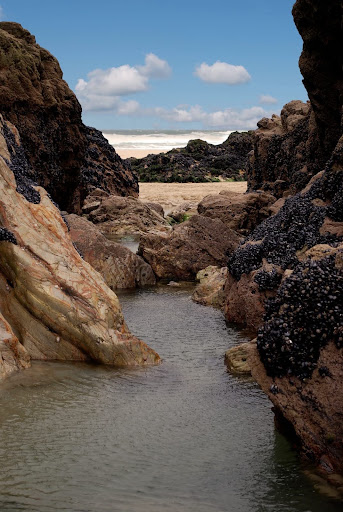
Rock Pooling in Cornwall – A Guide to When to Go, What to Bring and What You’ll Find
There's something timeless about rock pooling. You can arrive at the beach with nothing more than curiosity and a spare hour, and end up completely absorbed by miniature underwater worlds — anemones like jewels, shy crabs scuttling for cover, little fish flicking between shadows. On the Cornish coast, rock pooling is one of the simplest, most rewarding slow-travel activities you can do, and it's perfect for families, couples and solo wanderers alike.
When to Go Rock Pooling in Cornwall: Why Tides Matter
Rock pooling is all about timing. The best pools are only accessible when the sea retreats, and they change dramatically across the tide cycle. Aim to go around low tide, ideally 1–2 hours either side, when the rocks are exposed and the pools are calm enough to see into. Cornwall's tide times shift daily, so it's worth checking an official source like ADMIRALTY EasyTide before you set off, rather than guessing.
If the sea is rough or there's a big swell, choose a more sheltered spot and focus on the higher pools further up the beach — there's always plenty to discover, even when conditions aren't perfect. The RNLI has more on how quickly tides can change along the coast, which is worth a read before any beach day.
What to Bring: A Simple Rock Pooling Kit
You don't need much, but a few small things make the experience more comfortable — especially if you want to linger. Sturdy shoes with good grip are the biggest help, and a small bucket or clear container is useful for brief viewing. A little net and magnifying glass can add to the fun (particularly for kids), and it's always worth packing a towel and spare socks, because someone usually gets wetter than planned. A phone camera is ideal for close-up photos — less handling, more detail — and checking tide times before you set off makes the whole outing smoother. If you prefer a true slow-travel approach, you can keep it minimal: shoes and curiosity are enough.
Rock Pooling Safety on the Cornish Coast
Rock pooling is gentle fun, but the Cornish coast deserves respect. Wet rock and seaweed can be extremely slippery, so move slowly and step carefully, especially on flat rocky shelves. Keep an eye on the sea at all times — waves can surge further than you expect — and avoid exposed edges even when it looks calm. It's also important to stay aware of the tide turning, as it's easy to wander out and then find your route back getting cut off. The RNLI's beach safety advice is a useful five-minute read before any family beach trip. Dress for the breeze too: rock platforms can feel cooler and windier than the sand, and layers help you stay comfortable enough to take your time.
How to Rock Pool Responsibly (And Still See Plenty)
Rock pools are fragile habitats, and the best exploring is always gentle. If you lift a rock, do it carefully and keep it low, then put it back exactly as you found it — many creatures depend on the shade and moisture underneath. You'll usually see more by watching quietly rather than touching; if you do touch anything, do it very gently and keep creatures in the water. Avoid poking anemones or pulling seaweed, as seaweed is vital shelter, and remember that the best "souvenir" is a photo. The Natural History Museum's guide to rockpooling and Cornwall-based Cornish Rock Pools both have good etiquette pointers if you want to go a little deeper.
What You Might Find in Cornish Rock Pools
Part of the joy is the surprise, but Cornish rock pools often reveal a brilliant mix of familiar and unusual creatures. You might spot shore crabs and hermit crabs tucked into crevices, sea anemones opening and closing with the movement of the water, and tiny fish like blennies or gobies flicking between shadows. Limpets and periwinkles cling tightly to rocks, while deeper, calmer pools can sometimes reveal starfish, sea urchins, or colourful sponges and sea squirts that are easy to overlook until you slow down and really look. The Wildlife Trusts' rockpool wildlife guide and Countryfile's identification guide are both handy if you want to put a name to what you find. A useful trick is to hold your phone close to the water and use the screen like a viewing window — you'll often catch movement you'd miss with the naked eye.
Making It a Proper Slow-Travel Day
Rock pooling is at its best when it's not rushed, so treat it like a small, satisfying adventure rather than a stop-off. Take a slow walk along the beach to find a rocky section, choose one or two pools, and spend time simply watching what appears as you stay still. Plan for 30–60 minutes, add a snack break, then finish with something warm — a hot drink or an early dinner works beautifully afterwards. If you're staying in a chalet nearby, it's also an ideal late-afternoon plan, when the light softens and the beach starts to quieten.
A Quick Rock Pooling Etiquette Checklist
A few simple habits make all the difference. Step carefully to avoid trampling pools and the creatures inside them, replace any rocks gently and exactly, and keep any "viewing" brief and always in water. Take photos rather than taking anything home, and leave the shoreline as you found it — or better, if you spot any litter, take it with you. With that approach, rock pooling stays fun, respectful and full of discoveries.
FAQs: Rock Pooling in Cornwall
When is the best time to go rock pooling in Cornwall?
Around low tide — ideally in the hour or two either side — when the most pools are exposed and calm. Check official tide times before you head out, as they shift daily.
Is rock pooling safe for children?
Yes, with a few sensible precautions: sturdy, grippy shoes, close supervision near the water's edge, and keeping an eye on the tide turning. See the RNLI's beach safety guidance for a full rundown.
What might I see in a Cornish rock pool?
Shore crabs, hermit crabs, sea anemones, blennies and gobies are common. On a good day in a deeper pool, you might also find starfish, sea urchins or sea squirts.
Do I need special equipment?
No — grippy shoes and curiosity are enough. A net, bucket and magnifying glass simply add to the fun, particularly for younger explorers.
Ready to explore Cornwall's smallest — and best — worlds? Book your stay and make rock pooling part of your slow-travel weekend on the Cornish coast.