

Packing for Cornwall – What to Bring for the Autumn Season

Autumn in Cornwall is a season of quick changes. You can set off on a coast path walk in bright sunshine, get caught in a squall halfway round, and be back in the sun before you’ve finished your flask. The trick is not to pack for one kind of day, but to pack so that any kind of day is comfortable.

What Is the Weather Like in Cornwall in Autumn?

Temperatures drop through the season, from around 16°C in September to roughly 10°C by November, according to Generation Cornwall’s weather guide. It’s mild by UK standards, but rarely dry for long, and the wind and rain build as Atlantic weather systems arrive. Daylight shrinks quickly too. The clocks go back in late October, and in Hayle the sun sets at around 16:22 by the end of November, with the earliest sunsets coming in mid-December, so it’s worth planning outdoor days around the light.

Layers, Proper Waterproofs, and Good Footwear

Layering is the most useful habit for Cornish autumn weather, because it lets you adjust to a day that can swing from sunny to blustery in an hour. Bring a comfortable base layer, a fleece or chunky jumper, and a hat, gloves and scarf for clifftops and evening walks. On top, you need a windproof, waterproof coat. A showerproof jacket won’t cope with a proper Atlantic downpour, and it’s the one item that makes the biggest difference to how much you enjoy the coast.

Footwear matters just as much. The coast path is rarely flat or dry in autumn, and some stretches, such as the paths around Cape Cornwall, can be steep and uneven, with narrow sections next to unguarded drops. Sturdy walking boots or trail shoes with good grip are safer than trainers, and a pair of wellies is handy for muddy beach walks. Pack a few spare pairs of socks, because wet feet are the quickest way to cut a day short.

What to Carry on Coast Walks and Beach Days

A small rucksack makes autumn days easier. Fill it with a flask and some snacks, a spare layer, a dry bag for your phone and keys, and a fully charged phone with a power bank. Add a torch, since it gets dark quickly after sunset, and a downloaded map, as signal can be patchy on cliffs and in coves.

Tides shape almost every coastal day in Cornwall, so check official tide times before you head out, and look at the Met Office weather warnings if the forecast looks rough. The RNLI’s winter coastal safety advice is also worth a read, and it recommends telling someone your plans if you’re walking alone.

For Wildlife, Sunsets and Storm-Watching

Some of the best things to do here in autumn need very little equipment. A pair of binoculars is the most useful, for birdwatching at the RSPB Hayle Estuary reserve and for watching seals from the clifftop rather than getting close. A camera or a phone with a good lens will help in the low light at sunset, and an extra warm layer is worth having, as standing still on exposed ground feels far colder than walking. If you’re out in rough weather, keep well back from cliff edges and the water, and never go out in severe conditions just to see the waves.

If You’re Bringing a Dog

Most summer dog restrictions on Cornish beaches end in autumn, so long beach walks are back on. Pack a lead, a towel, poo bags and a water bowl, and keep your dog on a lead near cliffs. If you’re going to see the seals, the National Trust recommends leaving dogs at home.

Small Extras Worth Packing

A few things don’t seem important until you need them. Many car parks take payment by app or card machine only, and at Godrevy, for example, you can pay through the JustPark app, while National Trust members park free after registering. Bring a spare bag for muddy boots and wet clothes, and keep a change of clothes in the car.

If you’re thinking about swimming, remember that the sea is usually around 12°C in late autumn, cold enough to cause cold water shock. Swim only where there are lifeguards, never alone, and check the RNLI’s beach safety advice first.

For Cosy Evenings and What to Leave Behind

After a day outdoors, what you want most is to be warm and comfortable. Bring slippers or thick socks, a soft jumper, a book and a game for the evening. [Add a line here on what your chalets already provide, such as towels, hairdryers or beach gear, so guests know what they can leave at home.] You can also leave behind heels, formal outfits and an umbrella, which rarely survives an Atlantic gust, as dress codes are relaxed almost everywhere.

FAQs: What to Pack for Cornwall in Autumn

What should I wear in Cornwall in October and November?
Dress in layers with a windproof, waterproof coat on top, and add a hat, gloves and a scarf. Sturdy shoes or boots with good grip are best for coastal paths.

Is it too cold to visit Cornwall in autumn?

Not at all. Temperatures are mild by UK standards, and the right layers make walking comfortable. The weather is changeable, so pack for rain as well as sunshine.

What’s the one thing I shouldn’t forget?


A proper waterproof coat. It makes the biggest difference to how much you enjoy the coast.

Book Your Autumn Break in Hayle

With the right layers and a flask in your bag, autumn is the best time to see West Cornwall at its most atmospheric. Book your stay and come prepared for a season of big skies and quiet beaches.
Read more...

Storm-Watching, Golden Sunsets and Quiet Beaches – Autumn in West Cornwall

Summer brings the crowds to West Cornwall, but autumn brings the drama. The Atlantic swell builds, the light turns low and golden, the beaches empty out, and a walk along the coast can go from sunshine to squall and back again within the hour. For anyone who likes their coastline a little wild, this is the best season to see it.

Here’s how to make the most of it, from watching a storm roll in safely to finding the best sunset spots and the quietest stretches of sand around Hayle.

Storm-Watching in West Cornwall: Where to Go

Godrevy Point

The clifftop by Godrevy Lighthouse is one of the best places near Hayle to watch the Atlantic at work, with big swells breaking around the island and the lighthouse beyond. The National Trust car park is open year-round but small, so arrive early, and the café nearby is open most days for a hot drink afterwards. Watch from the cliffs rather than the beach. Gwithian’s flat, shelving sand means the surge can run a long way up the beach in rough conditions.

Cape Cornwall

Further west, Cape Cornwall is a headland fully open to the Atlantic, and it’s known for some of the biggest waves in the county. The paths here can be steep and uneven, with narrow stretches next to unguarded drops, and cattle and ponies graze over winter, so keep dogs on leads and give the animals space. It’s a good spot for a longer storm-watching day, and the car park is signposted from the centre of St Just.

Marazion and St Michael’s Mount

St Michael’s Mount makes a dramatic backdrop when the sea is running high. The causeway can only be crossed on foot at low tide, so check a tide table first, and in rough conditions it’s best to enjoy the view from the shore instead.

How to Watch a Storm Safely

Storm-watching is something to do with respect. Check the forecast and the Met Office weather warnings before you set off, and look up official tide times, because watching at low or falling tide is far safer than at high water.

The RNLI’s winter coastal safety advice is worth reading before you go. In short, give waves a much wider berth than you think you need, because rogue waves can be far larger than the ones before them, and just 15cm of moving water can knock you off your feet. Stay off harbour walls and piers, keep well back from cliff edges (storms cause erosion, and edges can overhang in ways that aren’t obvious), and never assume a calm spell means the sea has finished. A long lens or a seat in a café window is a better way to get the picture than moving closer.

Go with someone, or tell somebody your plans, and carry a charged phone. If anyone gets into trouble in the water, don’t go in after them. Call 999 or 112 and ask for the Coastguard.

Golden Sunsets Around Hayle

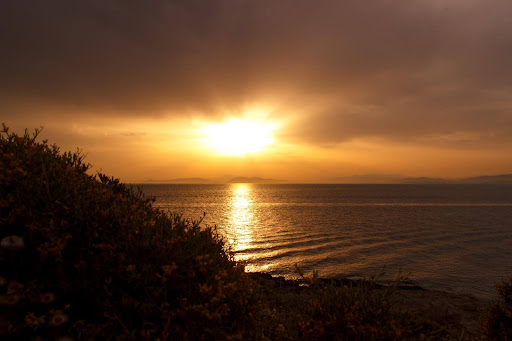
Autumn sunsets in West Cornwall are some of the best of the year, and they come early. At Hayle, the sun sets at about 16:51 on 5 November, 16:22 by the end of the month, and as early as 16:18 in mid-December, so there’s no need to stay out late for them.

A few good places to catch the light:

  • Godrevy Cliffs, with the lighthouse silhouetted against the sky.
  • Upton Towans, where the dunes open out to coast views and sunsets.
  • Hayle Towans beach, for wide, open sky over the water at low tide.

Arrive 30 to 45 minutes before sunset to find your spot and watch the colour build, and bring a torch for the walk back, as it gets dark quickly once the sun has gone.

Quiet Beaches and Open Dunes

Once the summer season ends, the beaches around Hayle are among the quietest in Cornwall. Hayle Towans is part of three miles of golden sand on St Ives Bay, and it rarely feels crowded even in summer, so on a weekday in November you may have much of it to yourself. Walk it at low tide, when the sand is widest, and bring a flask.

Behind the beach, Upton Towans is a 97-hectare Cornwall Wildlife Trust reserve of coastal dunes. Skylarks, stonechats and meadow pipits can be seen all year, ponies graze on the reserve, and the paths wind past the remains of the old explosives works. It’s open at all times, with a small free car park off the B3301, and dogs must be under effective control.

Seals at Godrevy

Autumn is grey seal pupping season, and the cliffs above Mutton Cove are one of the best places in Cornwall to see them, with numbers building through the winter. Keep your distance and stay on the path, and use binoculars rather than moving closer. The National Trust’s seal-watching guidance recommends moving quietly and leaving dogs at home where possible, and Visit Cornwall advises staying at least 100 metres from pups.

Dogs and lifeguards in autumn

The summer dog restrictions have ended on most Cornish beaches, including the Hayle Towans to Godrevy stretch, which applies only in July and August. It’s still worth checking local signage, and keep dogs on leads near cliffs and seals. Lifeguard cover is usually reduced outside the main season, so check the RNLI’s lifeguarded beaches page before you plan to swim or paddle, and be extra careful with cold water, as UK sea temperatures are often around 12°C.

What to Pack for Autumn on the Coast

Layers matter more than anything else, with a windproof and waterproof outer layer, a hat and gloves, and supportive footwear with good grip. Add a flask, a charged phone, snacks and a torch, and it’s worth keeping a spare pair of socks in the car. On a day that’s both sunny and blustery, the sea can still be dangerous, so keep an eye on it even when conditions look calm.

FAQs: Autumn in West Cornwall

Where is the best place to watch a storm near Hayle?


The clifftop by Godrevy Lighthouse is a good choice, and Cape Cornwall and Marazion are popular further west. Watch from height and at a distance, and avoid beaches, harbour walls and piers in rough seas.

Is it safe to go storm-watching in Cornwall?


It can be if you’re sensible. Check the Met Office warnings and tide times, stay well back from the water and cliff edges, and never go out in severe weather just to see the waves.

What time is sunset in Hayle in November?


Around 16:51 on 5 November, falling to about 16:22 by 30 November, with the earliest sunsets of the year in mid-December.

Are the beaches quiet in autumn?


Yes. The Hayle Towans and Godrevy stretch is far quieter outside summer, especially on weekdays.

Can you take dogs on Cornish beaches in autumn?

Most seasonal restrictions apply only in summer, so dogs are generally allowed in autumn, but check signage and keep them on leads near cliffs and seals.

Book Your Autumn Escape to West Cornwall

Big skies, dramatic seas and empty beaches make autumn one of the most rewarding times to visit West Cornwall, especially with a warm base to come back to. Book your stay and see the coast at its most atmospheric.

Read more...