Cornish Language Revival – Learn These 10 Phrases Before Your Visit
If you are heading down to our Cornish holiday chalets for a break of sea air, cream teas, and cliff walks, there is one extra way to make your trip feel even more rooted in place: learning a little Cornish.
Below are 10 friendly phrases to try during your stay, plus a quick pronunciation nudge so you can say them with confidence.
The Origin Of The Cornish Language (Kernewek)
Cornish is one of the Celtic languages of Britain, from the same wider language family as Welsh, Breton, Irish Gaelic, and Scottish Gaelic. It developed in Cornwall over many centuries from the ancient Brittonic languages once spoken across much of southern Britain. As Cornwall’s distinct culture formed through trade, migration, and close ties with Brittany across the Channel, Cornish grew into its own language, with a rich tradition of storytelling, poetry, and religious plays.
By the 18th and 19th centuries, Cornish had largely stopped being used as a community language, but it never truly disappeared. Modern revival efforts have drawn on historic written sources and recordings, helping bring Kernewek back into everyday life.
A Quick Note On Pronunciation
Cornish spellings can look unfamiliar, but do not let that put you off.
Try saying things slowly at first, and do not be afraid to ask locals how they pronounce a place name or phrase (most people will appreciate the effort). If you are unsure, a smile and a polite greeting go a long way.
10 Cornish Phrases To Learn Before You Arrive
- Dydh da
Good day / Hello
A great all-round greeting for shops, cafés, and coastal walks. - Nos da
Good night
Perfect when you head back to your chalet after dinner. - Kernow bys vyken
Cornwall forever
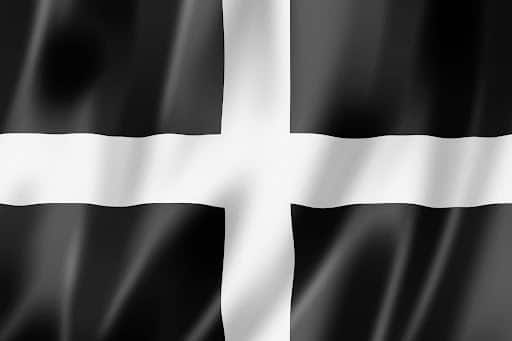
You will see this one on stickers, T-shirts, and flags. It is a proud local phrase. - Meur ras
Thank you
This is one of the most useful phrases to know, whether you have just been served a pasty or given directions. - Mar pleg
Please
A polite add-on for ordering food, asking questions, and making requests. - Gav genes?
Can I have?
Handy in cafés and pubs. For example: “Gav genes a paned?” for “Can I have a drink?” - Piw os ta?
Who are you?
Useful if you are meeting someone new at a local event or tour. - Fatla genes?
How are you?
A friendly question to follow “Dydh da”. - Da lowr
All right / OK / Fine
A simple, positive reply when someone asks how you are. - Yma ow mos
I am going
A practical phrase for everyday use, especially when you are heading out: “Yma ow mos dhe’n traeth” for “I am going to the beach.”
Where You Might See And Hear Cornish
You might spot Cornish on road signs and place names (often alongside English), hear greetings and traditional songs at local markets and festivals, and notice Cornish language touches in exhibits at museums and heritage sites.
Try A Mini-Challenge During Your Stay
Pick three phrases to use during your first 24 hours in Cornwall.
Say Dydh da on your morning walk, use Meur ras when you buy something local, and end the day with Nos da back at the chalet.
Welcome to Cornwall
Whether you use one phrase or all ten, speaking a little Cornish is a lovely way to connect with Cornwall’s living culture. If you would like recommendations for local heritage spots, food markets, or family-friendly activities near our chalets, just let us know.
Written for TwiceAsNice Chalets







Leave a Reply